
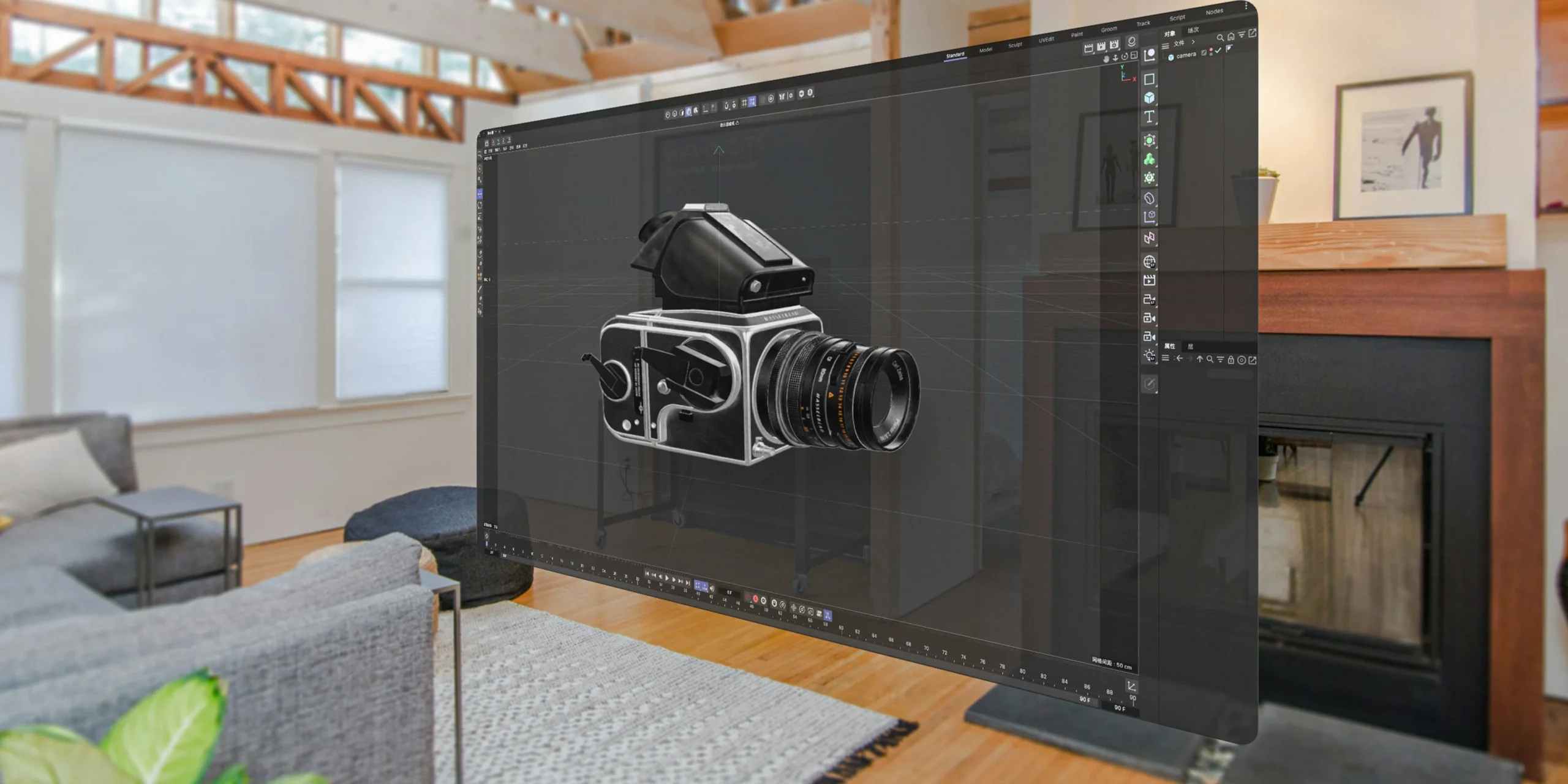
The world of 3D creation continues to evolve rapidly. Over the past decade, the tools available to creators have become more powerful, accessible, and flexible. What once required large studios and expensive pipelines can now be done by individual creators experimenting with new technologies.
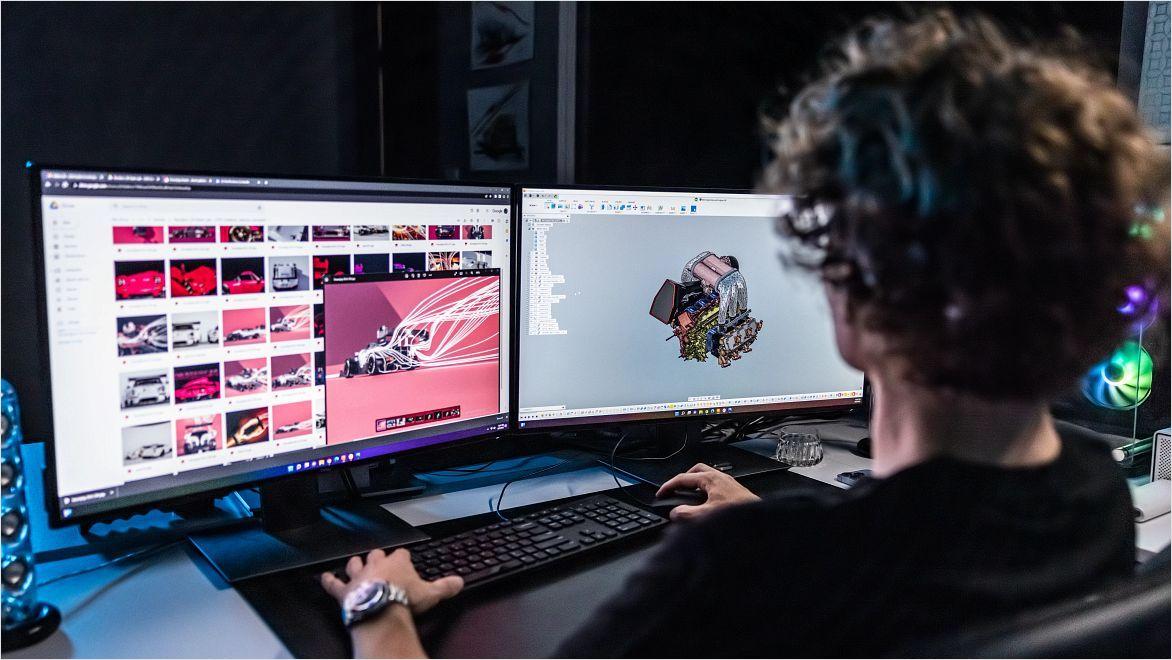

In 2026, 3D creators are not just building models or animations. They are creating interactive experiences, augmented reality activations, digital installations, and immersive environments used in marketing, entertainment, and events.
In this article, I want to share some of the most important tools for 3D creators today, including modeling software, real-time engines, and the growing role of AI in creative workflows.
Blender – The Open Ecosystem for 3D Creation

4
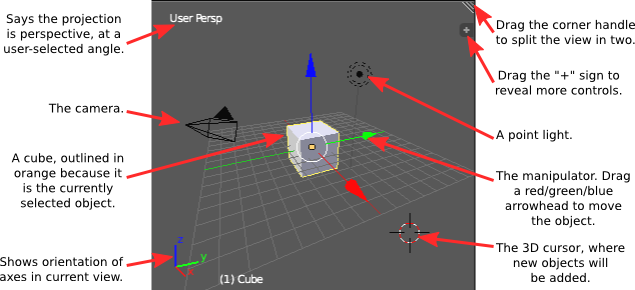
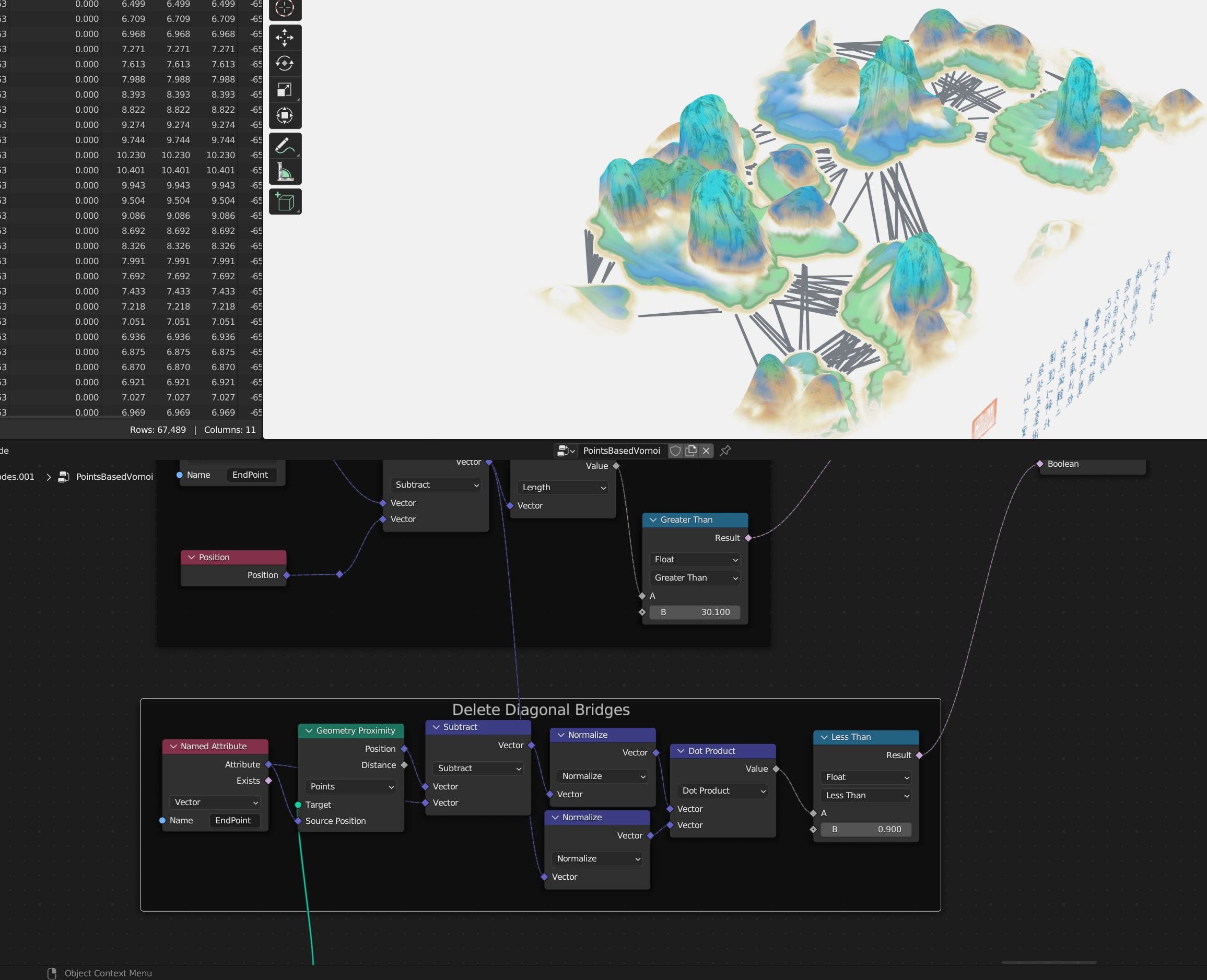
Over the last few years, Blender has become one of the most influential tools in the 3D industry. As an open-source platform, it has evolved into a complete environment for modeling, animation, rendering, and simulation.
One of the biggest reasons creators use Blender is the speed of innovation coming from its global community. New features and tools are constantly being developed, making it one of the most flexible platforms for both beginners and professionals.
Many creators today use Blender to build:
- product visualizations
- animations and motion graphics
- assets for AR or real-time engines
- experimental digital art
Because it is free and powerful, Blender has lowered the barrier to entry for a new generation of 3D artists and creative technologists.
3ds Max – A Longstanding Tool in Professional Pipelines
4
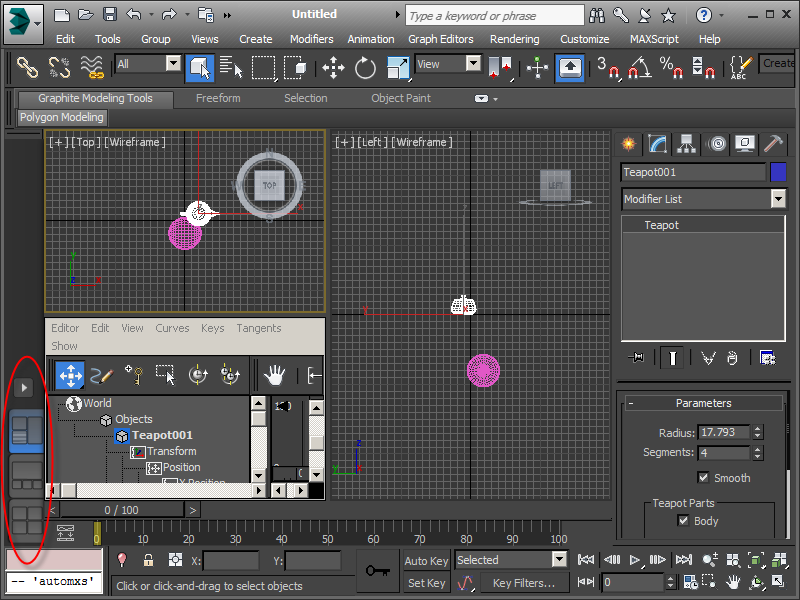
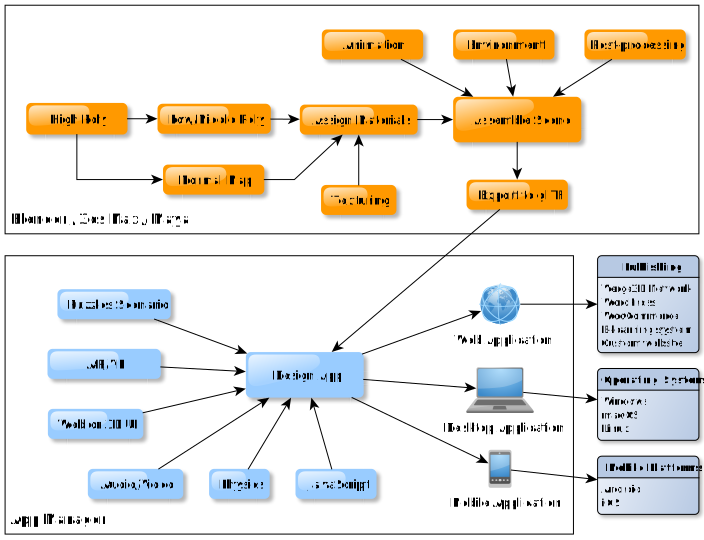
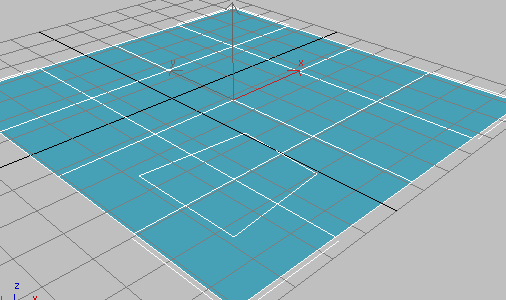
Even as new tools emerge, 3ds Max remains a key part of many professional pipelines, especially in architecture visualization, product visualization, and complex modeling workflows.
Its strengths include:
- precise modeling tools
- strong rendering integrations
- compatibility with many industry pipelines
For many studios working in visualization or large production environments, 3ds Max continues to be a reliable and widely used solution.
Unity – Building Interactive and AR Experiences


4
When 3D projects require interaction, real-time engines become essential.
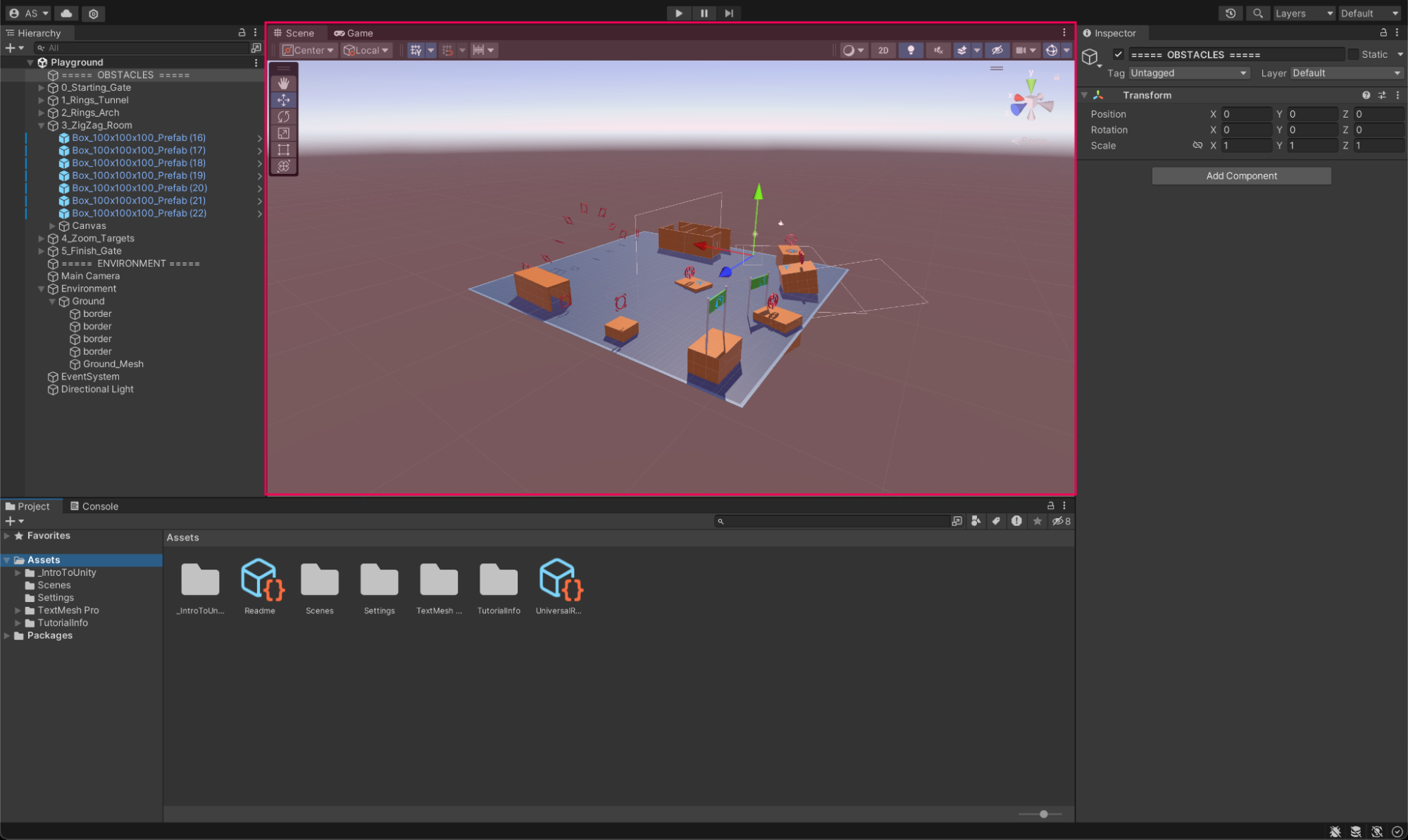
Unity is one of the most widely used platforms for creating:
- augmented reality experiences
- mobile interactive apps
- immersive brand activations
- digital installations and exhibitions
Because Unity allows creators to combine 3D assets, animation, interaction, and sensors, it has become a powerful tool for building experiences that go beyond traditional visuals.
Many creators working in immersive media use Unity to transform 3D content into interactive storytelling experiences.
The Growing Role of AI in 3D Workflows
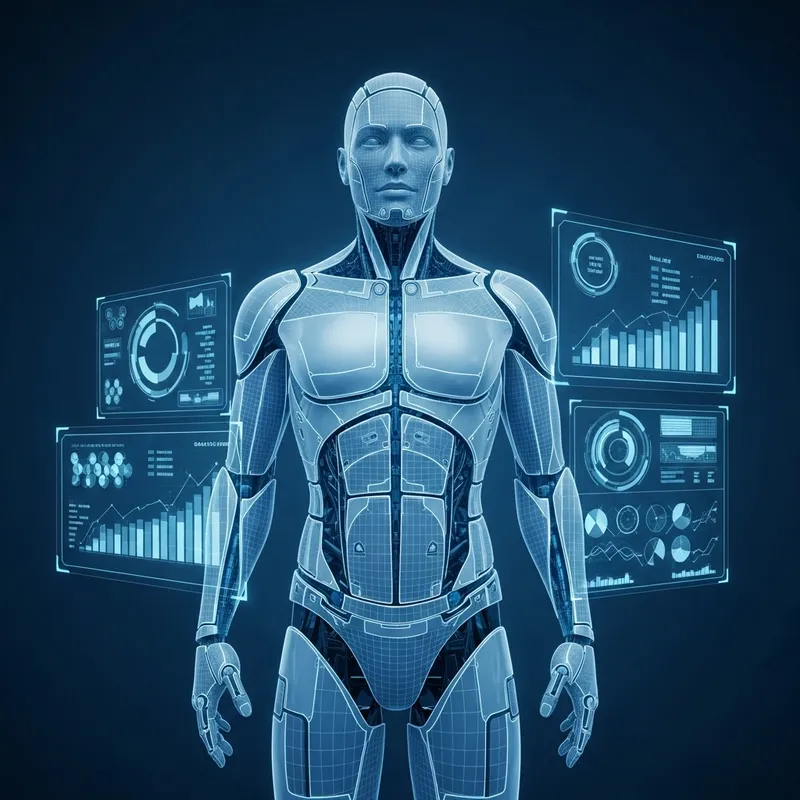
Another major shift happening in 3D creation is the introduction of AI-assisted tools.
These tools are not replacing artists, but they are changing how creators explore ideas and accelerate workflows.
Some ways AI is being used in 3D pipelines include:
- generating concept art and visual references
- creating textures and materials
- exploring variations of designs
- assisting with asset generation
For many creators, AI tools are becoming part of the early creative phase, helping generate inspiration and speed up experimentation.
As these tools continue evolving, the future of 3D creation will likely involve hybrid workflows combining human creativity with AI assistance.
My Experience Using 3D Tools
Over the past 7 years working in 3D, I have experimented with different tools and workflows while building projects in animation, immersive marketing, and augmented reality.
Some of the tools I’ve used the most include:
- Blender for modeling and experimentation
- 3ds Max for more complex modeling workflows
- Unity for building interactive and AR experiences
Learning these tools has helped me create projects for different industries and explore new ways of combining 3D, storytelling, and interactive technology.
What I’ve learned through this process is that the tools themselves are only part of the equation. The real value comes from how creators combine them to design experiences that connect technology with creativity.
As immersive technologies continue evolving, the most exciting opportunities will likely come from creators who are comfortable experimenting across disciplines — blending 3D design, real-time engines, and emerging technologies like AI.