
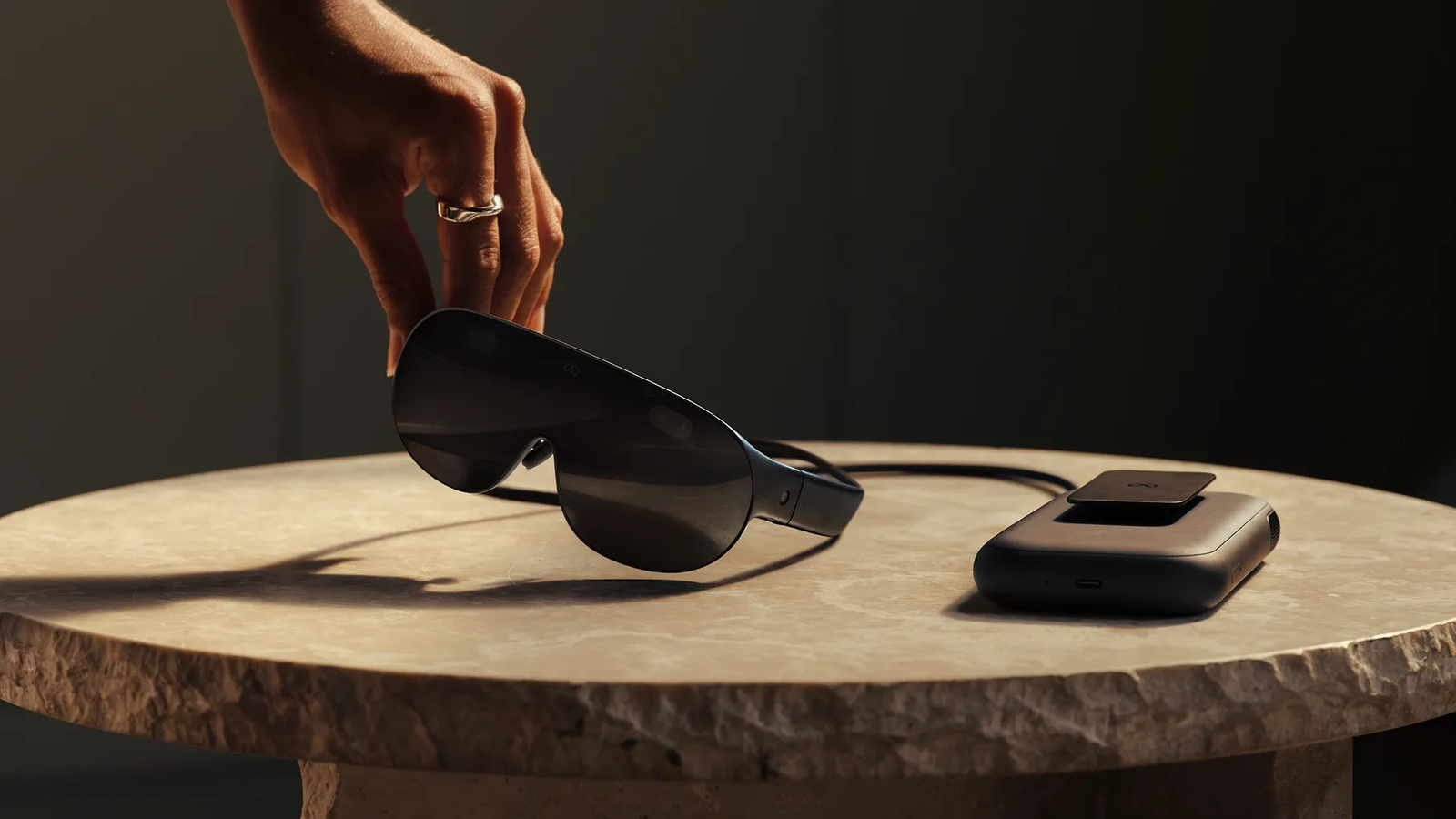
Meta VR Glasses are the most interesting thing Meta showed at Connect 2026. They weigh about 100 grams on your face, cost $1,299.99 and go on sale in spring 2027. That’s a third of the price of Apple’s Vision Pro and a fraction of its weight. Here’s how they work, how they compare with Meta’s own Quest 3 and Ray-Ban Display, and why I think they put Apple in a tough spot.
What are Meta VR Glasses?
Meta VR Glasses, known for months as Project Phoenix, were announced on September 23, 2026. They look like oversized sunglasses rather than a VR headset. The trick is simple: all the heavy parts leave your head.
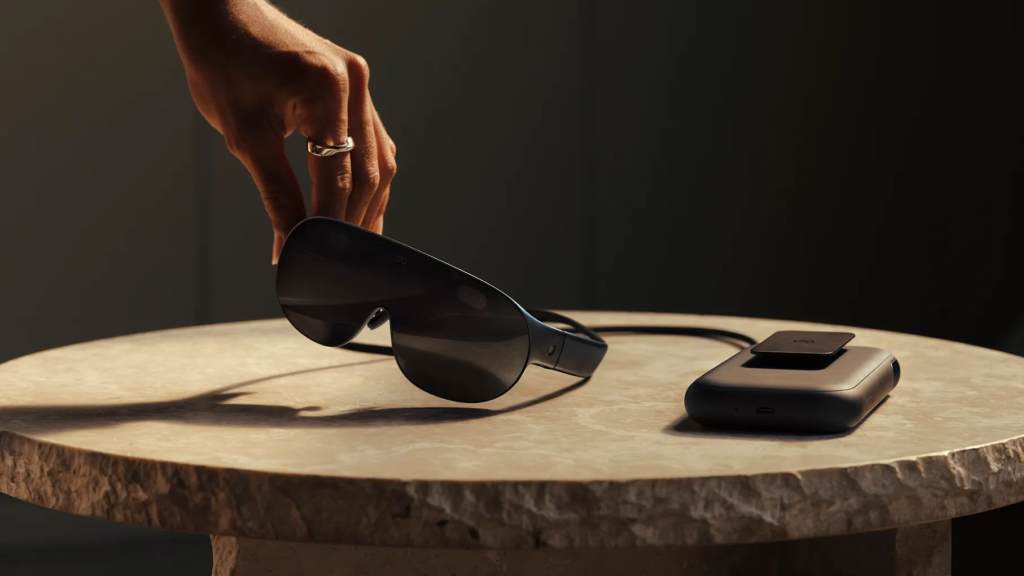
The chip, battery and storage live in a pocket-sized compute puck of about 300 grams, connected by an optical cable. What stays on your face is a light frame with two micro-OLED displays. Inside the puck there’s a Qualcomm Snapdragon Reality Elite, 12 GB of RAM and 128 GB of storage, expandable with a microSD card.
Key specs:
- Displays: dual micro-OLED, 2412 × 2288 pixels per eye, up to 120 Hz.
- Field of view: 70° horizontal × 66° vertical.
- Battery: up to 3 hours of continuous video playback.
- Controls: eye tracking, hand tracking and voice; controllers sold separately.
- Content: the same store as Quest, Xbox Cloud Gaming, 75 hand-tracked games at launch, and support for Windows PCs and Macs.
Meta VR Glasses vs Quest 3, Ray-Ban Display and Apple Vision Pro
This table puts Meta’s new device against its own previous products and against Apple:
| Device | Price (US) | Weight on your head | Display | Field of view | Availability |
|---|---|---|---|---|---|
| Meta VR Glasses | $1,299.99 | ~100 g (+300 g puck) | Micro-OLED, 2412 × 2288 per eye | 70° × 66° | Spring 2027 |
| Meta Quest 3 | $599.99 | 515 g | LCD, 2064 × 2208 per eye | ~110° × 96° | Available |
| Meta Ray-Ban Display | $799 | Regular glasses | Small display in the right lens | Notifications only | Available |
| Apple Vision Pro (M5) | $3,699 | 750–800 g | Micro-OLED, 23 million pixels | Not published | Development paused |
Meta VR Glasses vs Quest 3: lighter and sharper, but narrower
The Quest 3 is still Meta’s best value: $599.99, controllers included and a much wider view. The VR Glasses aren’t a replacement for it. They’re a different bet.
What you gain is comfort and image quality. Going from 515 grams on your face to about 100 grams changes how long you can wear it. The micro-OLED panels are sharper than the Quest 3’s LCD, and reviewers have praised the color passthrough.
What you give up is the field of view, which is noticeably smaller than the Quest 3’s. You also pay more than twice the price, and controllers are an extra purchase. My read: the Quest 3 remains the gaming device, while the VR Glasses target movies, sports, work and travel.
Compared with the Ray-Ban Display, the difference is the type of experience. The Ray-Ban Display shows notifications in one lens and you wear it all day. The VR Glasses give you full immersive screens, but you put them on for a session, not for a walk down the street.
Meta VR Glasses vs Apple Vision Pro: the real fight
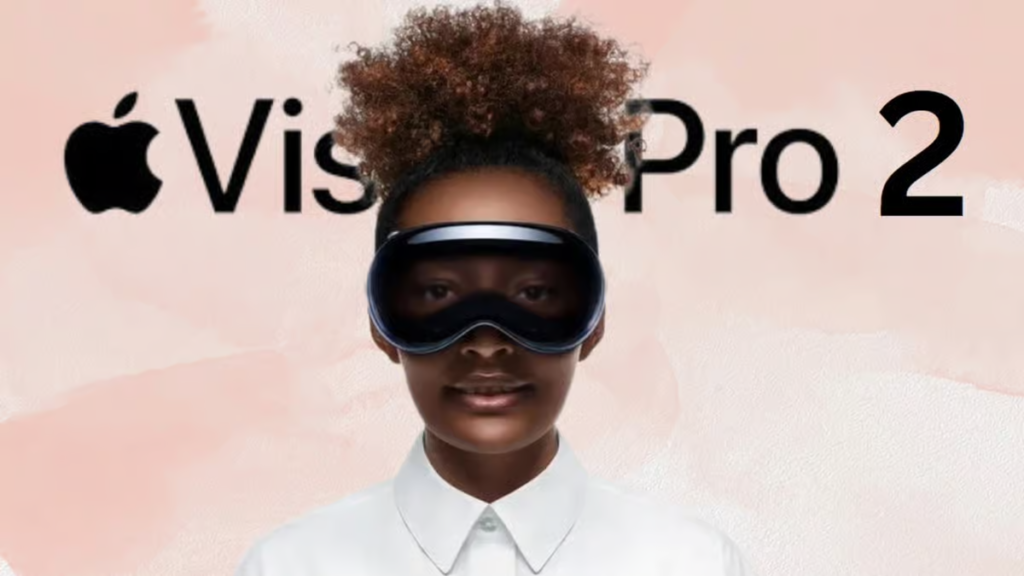
This is where Meta has the clearest advantage. Both devices use micro-OLED displays and aim at premium entertainment and productivity. The difference is in price and size.
Price. The Vision Pro launched in 2024 at $3,499 and now costs $3,699 after a June 2026 increase. Meta VR Glasses cost $1,299.99, almost $2,400 less.
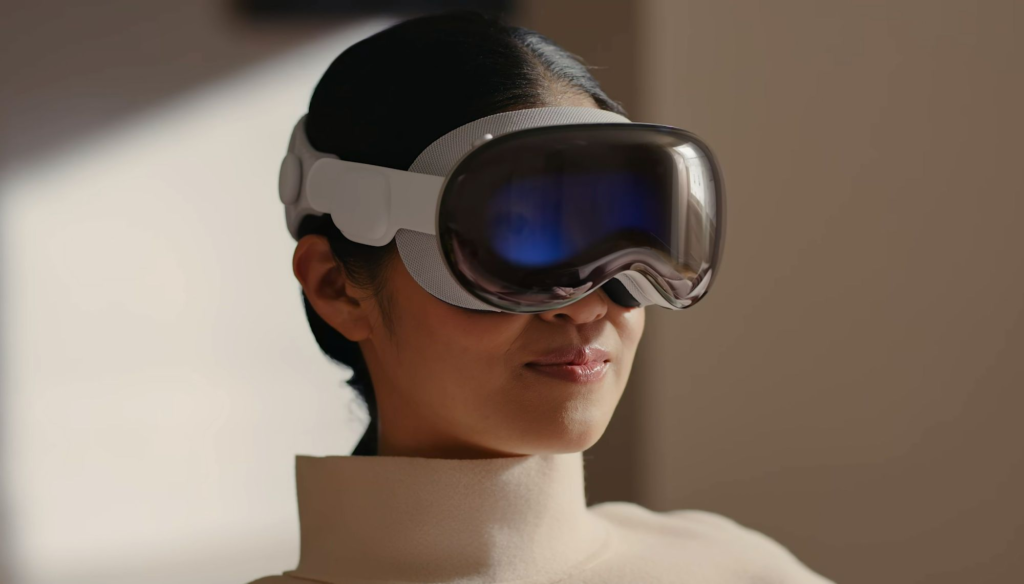
Size and weight. The Vision Pro puts up to 800 grams on your face, depending on the band. Meta puts about 100. That difference is the whole story of why the Vision Pro struggled.
The market’s verdict. Morgan Stanley analysts blamed the Vision Pro’s weak sales on cost, form factor and a lack of native apps. Reports say it had the highest return rate of any Apple product, with complaints about weight and discomfort in long sessions. In April 2026, Apple paused Vision Pro development, cancelled a cheaper and lighter version, and moved the team to other projects. Total sales are estimated at around 600,000 units since launch.
In other words, Meta is shipping the exact device Apple’s customers asked for: lighter and cheaper. Apple, meanwhile, has no new headset in development.
Why Meta VR Glasses can beat Apple
- The weight problem is solved. Moving the battery and chip to a puck takes the load off your face, the Vision Pro’s biggest weakness.
- A price people can consider. $1,299.99 is still premium, but it’s in laptop territory, not $3,699.
- An existing app library. The VR Glasses use the same store as Quest, which already dominates the market. Meta’s Quest line accounts for about 80% of VR headset unit sales.
- Apple has stepped back. With the Vision Pro on ice, Apple has no direct answer planned before 2027.
The trade-offs to keep in mind
Not everything is in Meta’s favor. The field of view is the narrowest of the devices compared, battery life is 3 hours, controllers cost extra, and the cable to the puck is one more thing to carry. They also don’t arrive until spring 2027, so there’s still time for Apple, or anyone else, to respond.
Meta VR Glasses FAQ
How much do Meta VR Glasses cost? $1,299.99 in the US, including the puck, 128 GB of storage and a 45 W charger. Controllers are sold separately.
When do Meta VR Glasses come out? In spring 2027. Meta hasn’t announced an exact date or opened preorders.
How much do Meta VR Glasses weigh? About 100 grams on your face, plus a compute puck of about 300 grams you keep in your pocket.
Are Meta VR Glasses better than Quest 3? They’re lighter and sharper, but the Quest 3 has a wider field of view, includes controllers and costs less than half.
Are Meta VR Glasses better than Apple Vision Pro? They cost about a third as much and weigh far less on your head. The Vision Pro is available now, but Apple has paused its development.
Conclusion
[Photo 5 – Meta VR Glasses next to Apple Vision Pro]
The Vision Pro proved there’s interest in premium immersive screens, but also that nobody wants 800 grams strapped to their face for $3,699. Meta VR Glasses take that lesson and fix it: 100 grams, $1,299.99 and Quest’s full library. If Meta delivers in spring 2027, the premium headset race will have a new leader. Would you buy them, or wait to see Apple’s answer? Let me know in the comments.
Sources
- VR.org: Meta VR Glasses specs and comparisons
- VR.org: everything announced at Meta Connect 2026
- Engadget: everything announced at Meta Connect 2026
- Time News: Meta VR Glasses vs Vision Pro
- Dataconomy: Apple pauses Vision Pro
- TechGenyz: Vision Pro on ice
- PYMNTS: Morgan Stanley on the Vision Pro
- gHacks: Vision Pro sales estimates