
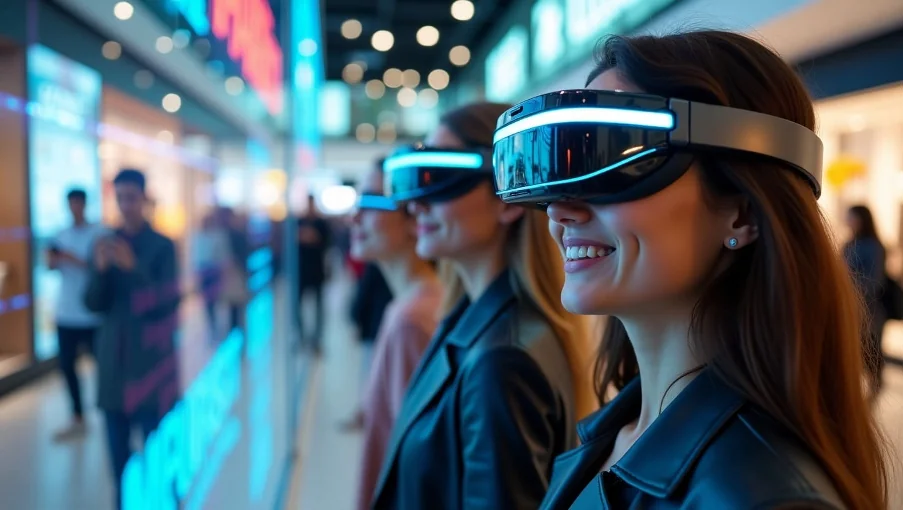
Why Immersive Matters in 2025
A person’s sense of value for experience has definitely outgrown that of consumers’ desire for material possessions, and the statistics support this. The estimated worldwide experience economy is roughly $12 trillion, indicating a cultural priority on experiences with relevance to member interactions. Gen Z consumers especially are influencing this trend, with 78% saying that they prefer experiences more than purchased goods when shopping. This is a cue brands cannot miss.
Immersive marketing has a perfect opportunity to fit into this matrix. When consumers enter an activation whether that is a VR demo, an interactive pop-up, or a hybrid event, they are not just watching, they are participating. That is why the conversion numbers can be so staggering: 85% of participants are more likely to make a purchase after attending, with 70% of participants returning for a future activity, and 91% of attendees having a more favorable view toward the brand. These statistics reveal the crux of the advertising issue; emotions can last longer than other advertisement techniques commonly do.
The market itself reflects this momentum. In 2024 immersive marketing was worth about $6.9 billion and projected to nearly $29.7 billion by 2030, growing at a phenomenal 28.6% CAGR.
In a noisy digital environment, consumers want more than screens. They want connection. Immersive experiences answer that call by creating something tangible, emotional, and worth remembering.