
During a recent trip to Shanghai, I visited the second tallest building in the world, the Shanghai Tower.
Like many skyscrapers, you expect incredible views from the top. But something inside the building caught my attention even more: how they use immersive experiences to explain the engineering behind the structure itself.
Instead of static displays or traditional museum panels, the building uses large-scale digital installations to turn complex structural concepts into something you can actually feel and experience.
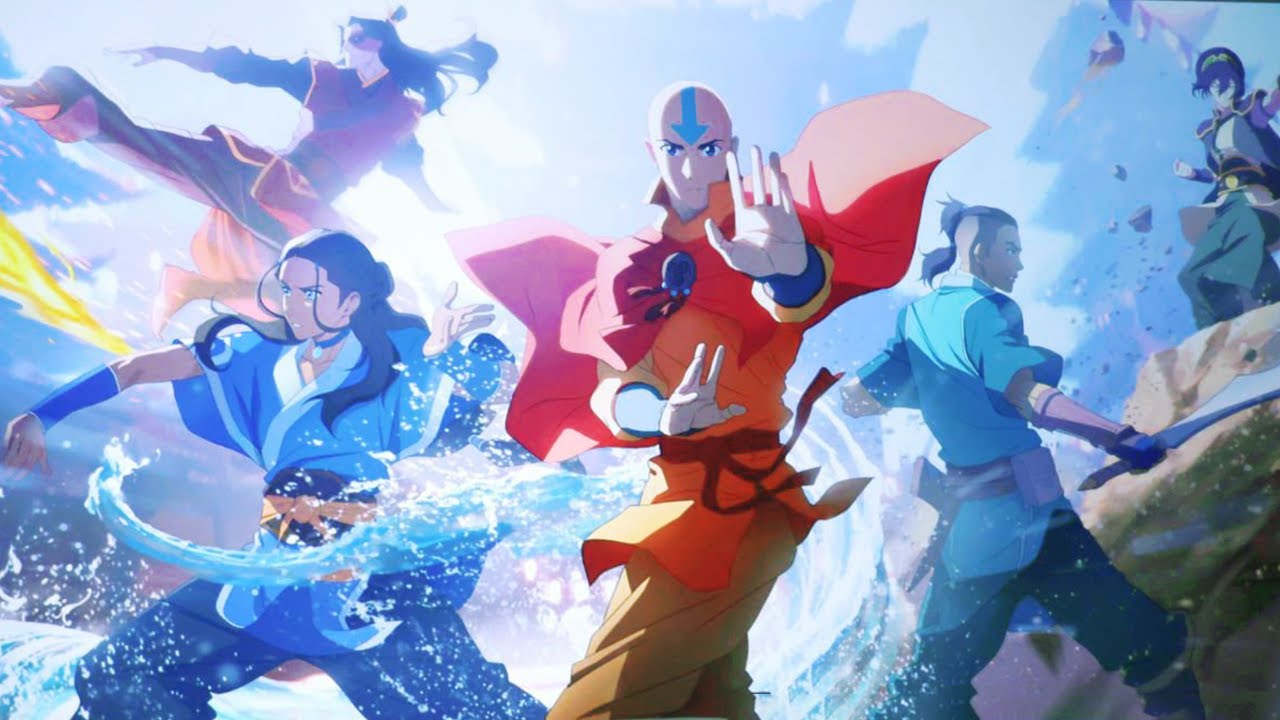
Recently, reports circulated about leaked footage related to Avatar — one of the most ambitious film series ever made.
Whether partial scenes, test footage, or unfinished cuts, leaks like this always spark attention. But beyond the curiosity, they raise a bigger question:
What does this mean for the industry — and for the artists behind the work?
The Problem With Leaks
From the outside, a leak might seem harmless.
People get an early look. It generates buzz.
But for filmmakers and artists, it’s a different story.
Large productions like Avatar involve years of work:
- concept design
- 3D modeling
- animation
- VFX
- rendering and post-production
When unfinished material is leaked, it often doesn’t represent the final vision.
And that matters.
Because audiences end up judging something that was never meant to be seen that way.
The Impact on Artists
For people working in 3D, VFX, and immersive environments, leaks can be frustrating.
A single shot in a film like Avatar might take:
- weeks or months to complete
- multiple iterations
- collaboration between large teams
Seeing that work exposed in an incomplete state can feel like showing a sketch instead of the final painting.
It takes away from the intention, the polish, and the storytelling.
And more importantly, it can distort how people perceive the work.
A Bigger Issue in the Digital Era
Leaks are not new — but they are more common now.
As production pipelines become more digital and distributed, the risk increases.
At the same time, audiences are more connected than ever, and content spreads instantly.
This creates a tension between:
- curiosity and access
- respect for the creative process
Why This Still Matters
Regardless of leaks or industry challenges, one thing remains true:
Avatar is one of the most important film series in the world.
Beyond its commercial success, it has pushed the boundaries of:
- visual effects
- world-building
- immersive storytelling
- real-time and virtual production workflows
For many creators working in 3D and immersive experiences, Avatar has been a reference point and source of inspiration.
My Perspective
Personally, I think it’s a shame when something like this happens.
Not because of the headlines — but because of what it represents.
Behind every scene, there are teams of artists, developers, and creators who spend years building something with intention.
And that process deserves to be experienced the way it was meant to be seen.
At the same time, moments like this remind us how much the industry is evolving.
Technology is making content more accessible — but it also makes it more fragile.
Final Thought
Leaks may generate attention in the short term.
But the real value of a project like Avatar is not in a clip or an early look.
It’s in the complete experience.
The storytelling.
The world.
The immersion.
And that’s something that can only be fully appreciated when it’s finished.