


4
When projects go beyond visuals and start requiring interaction, tools like Unity become essential.
In the world of 3D creation, modeling and rendering are just one part of the process. But when you want people to explore, interact, or experience something in real time, you need a different type of tool.
That’s where Unity and virtual reality (VR) come in.
From Static Content to Interactive Experiences
Unity is one of the most widely used real-time engines in the world.
Originally built for game development, it has expanded far beyond games and is now used to create:
- mobile apps
- augmented reality experiences
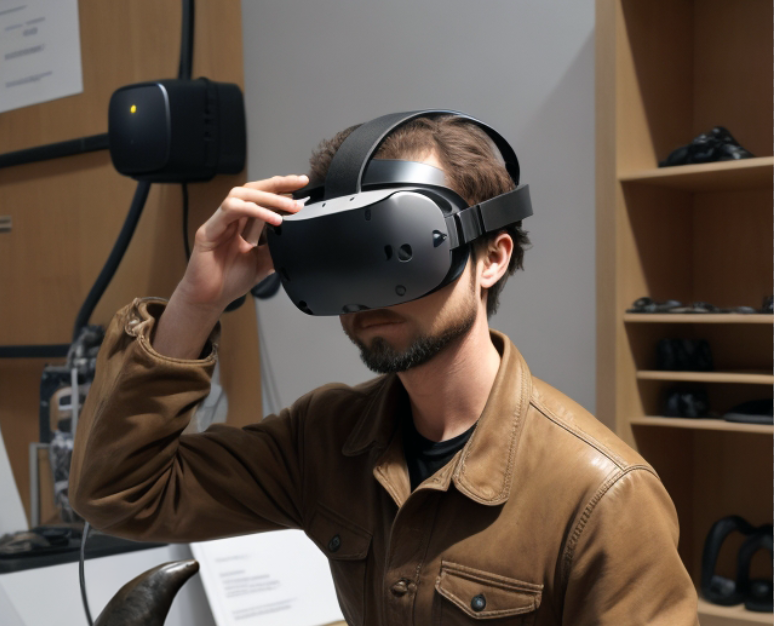
- virtual reality environments
- interactive installations
- brand activations and events
The key difference is simple:
Instead of creating something people watch, Unity allows you to create something people interact with.
That shift changes everything.
Why Unity Is So Versatile
One of Unity’s biggest strengths is its flexibility.
It allows creators to combine multiple elements into one experience:
- 3D environments
- animation
- user interaction
- sound
- physics
- real-time feedback
This makes it ideal for projects where the goal is not just to show something, but to create an experience people can navigate and engage with.
For creators working in immersive media, Unity becomes the bridge between 3D content and real-world interaction.
VR: Turning Ideas Into Experiences
4
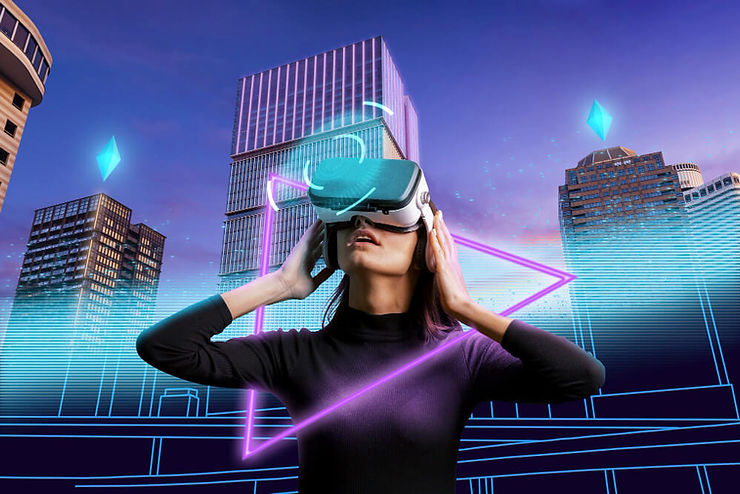
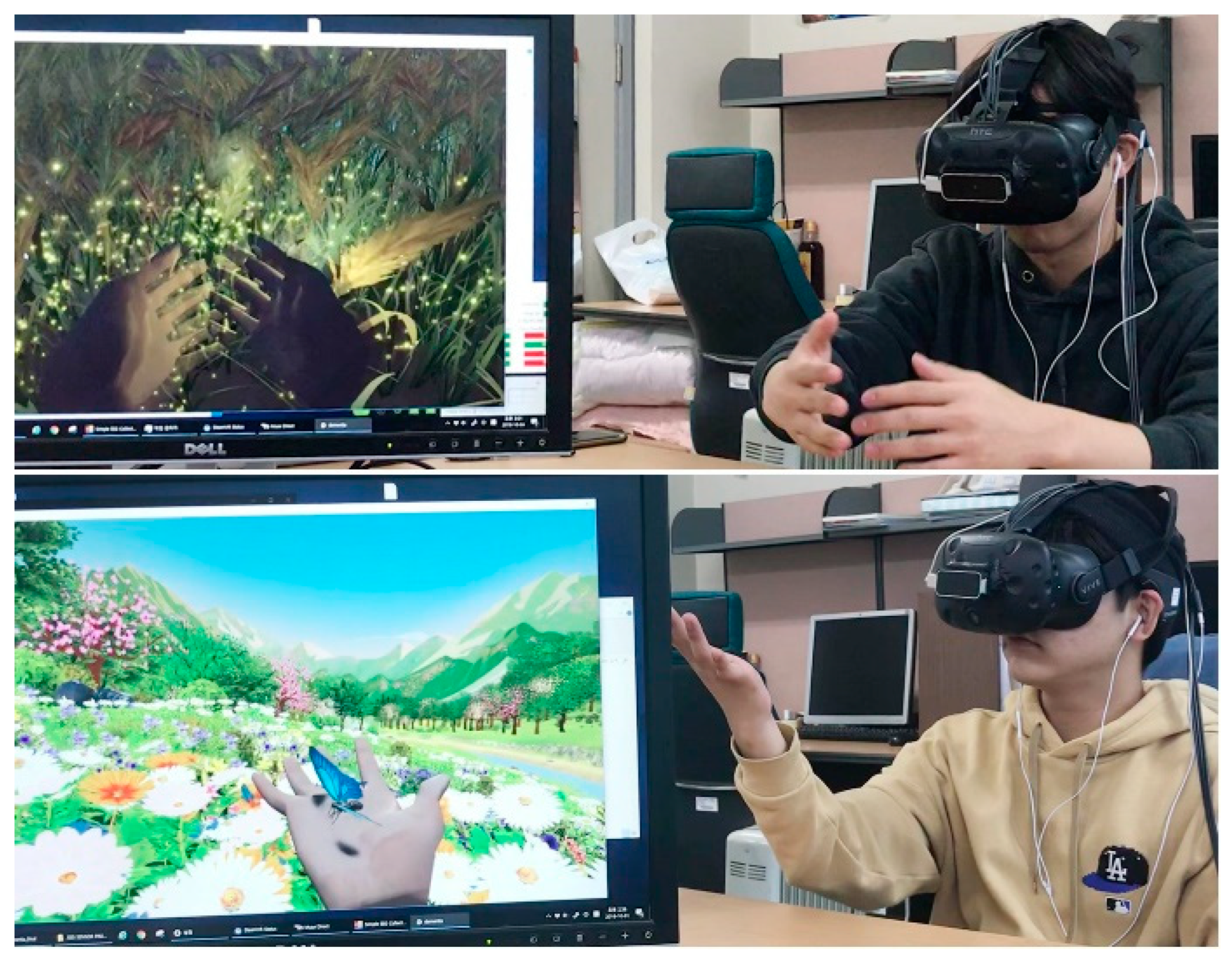
Virtual reality takes this a step further.
With VR, users are not just interacting with content — they are inside it.
This opens up new possibilities for:
- storytelling
- training and simulation
- product visualization
- immersive brand experiences
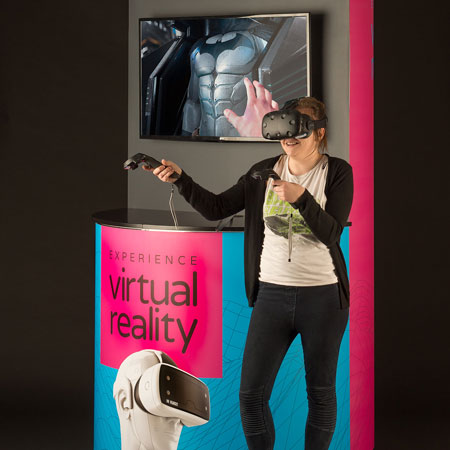
In events and activations, VR is especially powerful because it creates memorable moments.
People remember experiences where they feel fully immersed, not just something they saw on a screen.
Unity in Brand Activations and Events
One of the most interesting uses of Unity today is in brand experiences and live events.
Instead of traditional booths or static displays, brands are starting to create:
- interactive installations
- VR experiences
- gamified activations
- immersive storytelling environments
These types of experiences help brands:
- attract attention
- increase engagement
- create shareable moments
Unity makes this possible by allowing creators to build experiences that respond to users in real time.
Not Just for Developers
One common misconception is that Unity is only for programmers.
While it does involve technical knowledge, more creators today are learning how to use it as part of a creative workflow, not just a development tool.
Designers, 3D artists, and creative technologists are increasingly combining Unity with tools like Blender or 3ds Max to bring ideas to life.
Why Unity and VR Matter in 2026
As immersive experiences continue to grow, the demand for interactive content is increasing.
People don’t just want to consume content — they want to explore it.
Unity and VR make that possible.
They allow creators to move from:
- static visuals → interactive environments
- passive content → immersive experiences
And that shift is shaping the future of:
- entertainment
- marketing
- education
- live events
For creators interested in building the next generation of digital experiences, learning tools like Unity is no longer optional — it’s becoming essential.
If you’re interested in 3D, VR, and building interactive experiences, I share insights, tools, and ideas like this regularly.
You can subscribe to my newsletter here:
👉 Diego Murillo Newsletter