
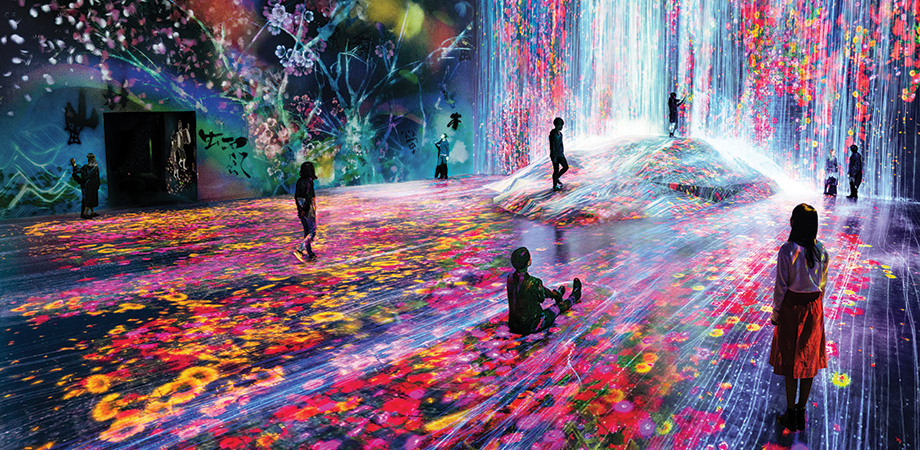
Over the past few years, immersive technologies like 3D environments, augmented reality, and interactive installations have moved from experimental ideas to real tools used by global brands.
What used to be seen as futuristic marketing is now becoming part of everyday digital experiences.
As we move into 2026, several trends are starting to define where immersive experiences are heading — not only in entertainment, but also in marketing, retail, architecture, and education.
Here are some of the most important shifts shaping the industry.
1. Immersive Experiences Are Moving Into Physical Spaces

4
One of the biggest shifts happening right now is the fusion of digital experiences with physical environments.
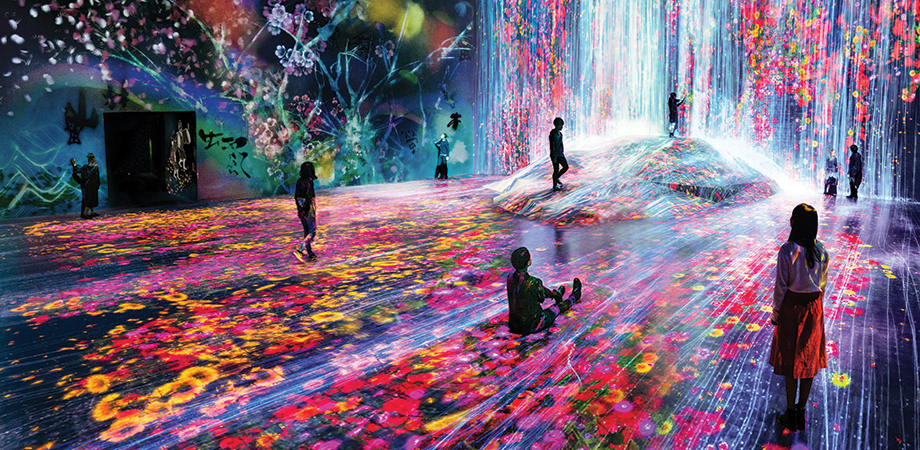
Instead of existing only on screens, 3D content is increasingly appearing in real-world spaces through:
- interactive installations
- projection mapping
- responsive LED walls
- mixed-reality environments
Museums, exhibitions, flagship stores, and events are investing heavily in these experiences to make their spaces more engaging.
These installations allow people to interact with information instead of just observing it, which dramatically improves engagement and memory retention.
2. Augmented Reality Is Becoming a Marketing Standard


4
Augmented reality is rapidly moving from novelty to mainstream marketing tool.
Major brands are using AR for:
- product launches
- interactive packaging
- experiential campaigns
- gamified promotions
Instead of traditional advertising, companies are looking for ways to turn marketing into an experience.
3. Real-Time 3D Is Transforming Content Creation

4
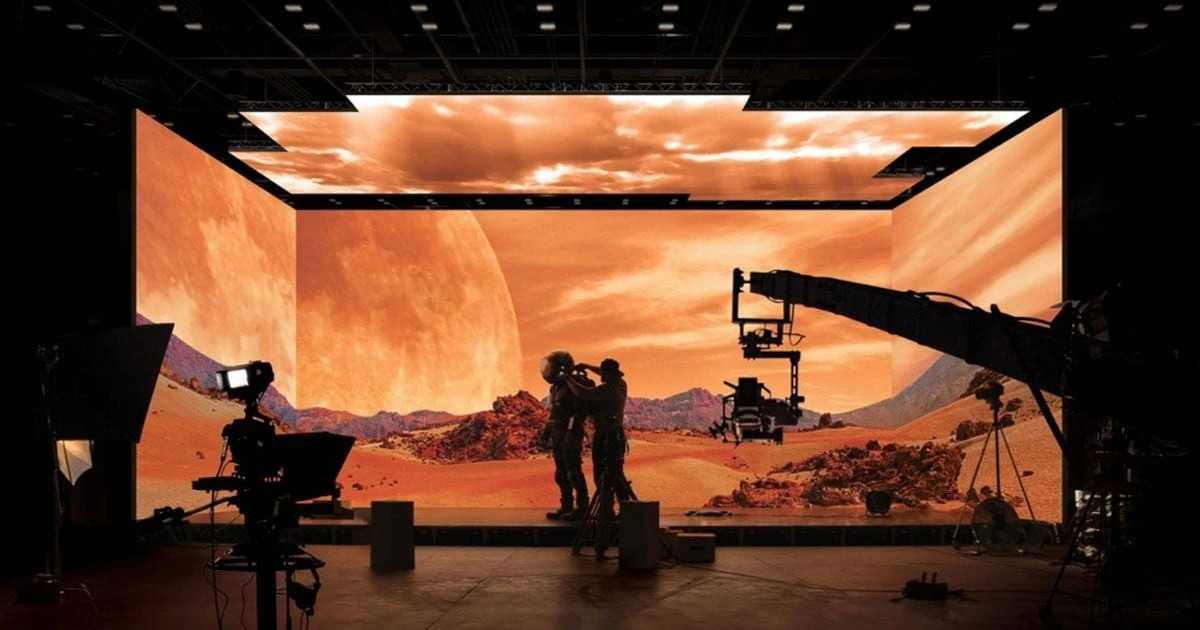
The rise of real-time engines is changing how immersive experiences are produced.
Technologies originally built for video games are now being used across multiple industries to create:
- interactive environments
- virtual production
- architectural visualization
- digital twins
Real-time workflows allow creators to iterate faster and build experiences that adapt dynamically to users.
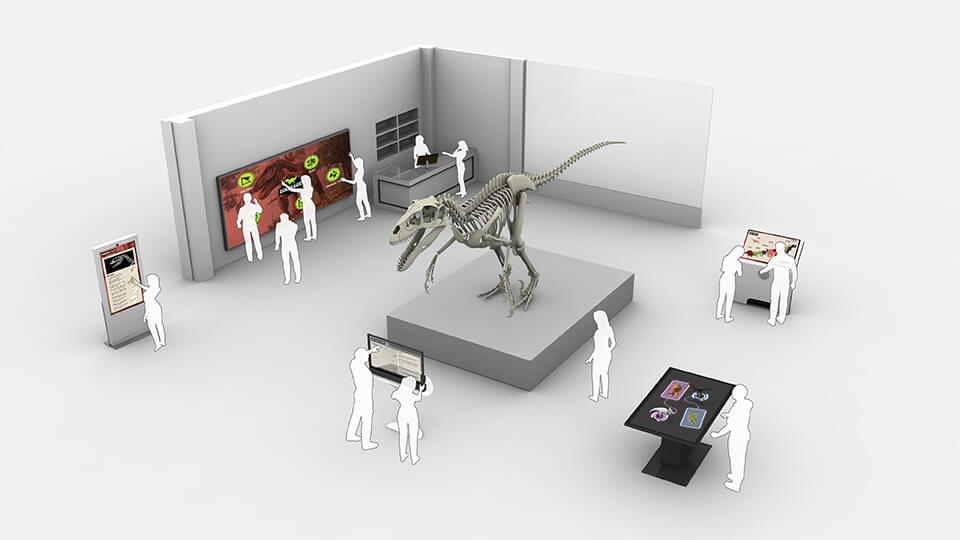
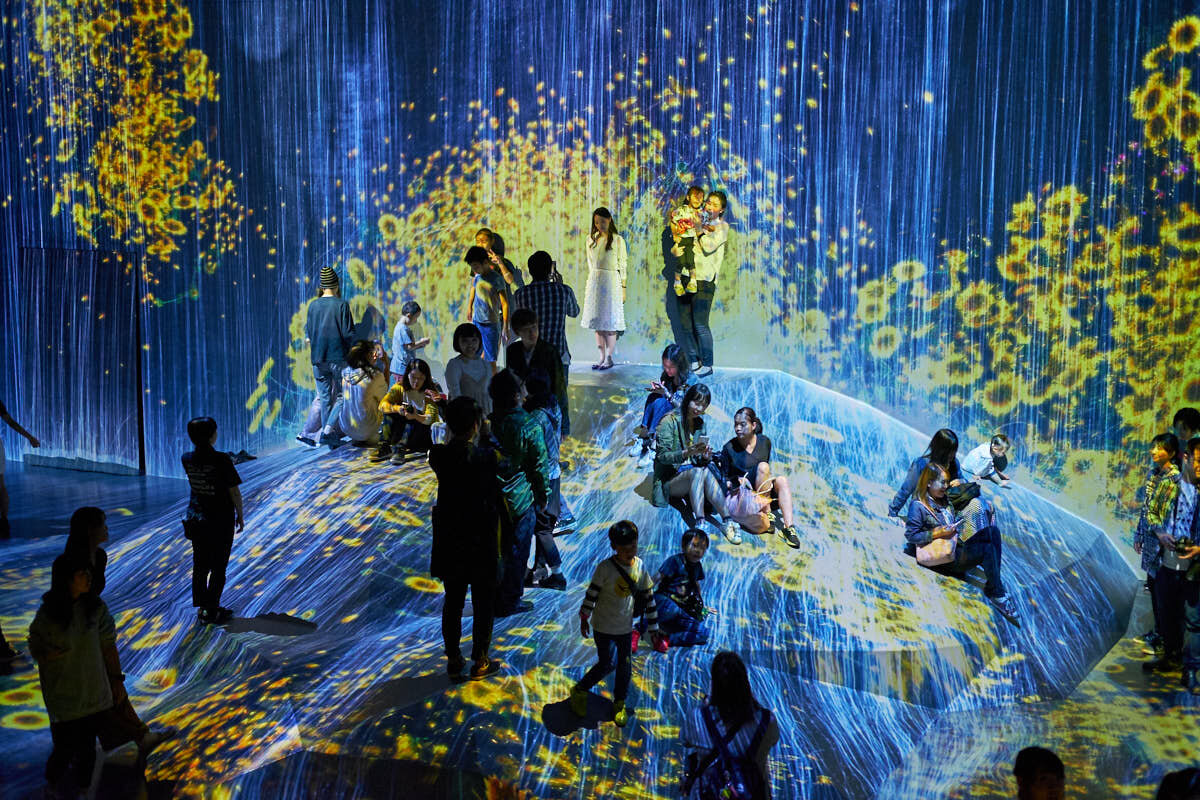
4. Interactive Storytelling Is Replacing Passive Content
4
Traditional media formats are mostly passive: you watch, read, or listen.
Immersive experiences change that.
Instead of being an observer, the audience becomes part of the story.
Interactive storytelling is appearing in:
- exhibitions
- brand activations
- educational experiences
- interactive marketing campaigns
Participation creates deeper emotional connection, which makes the experience far more memorable.
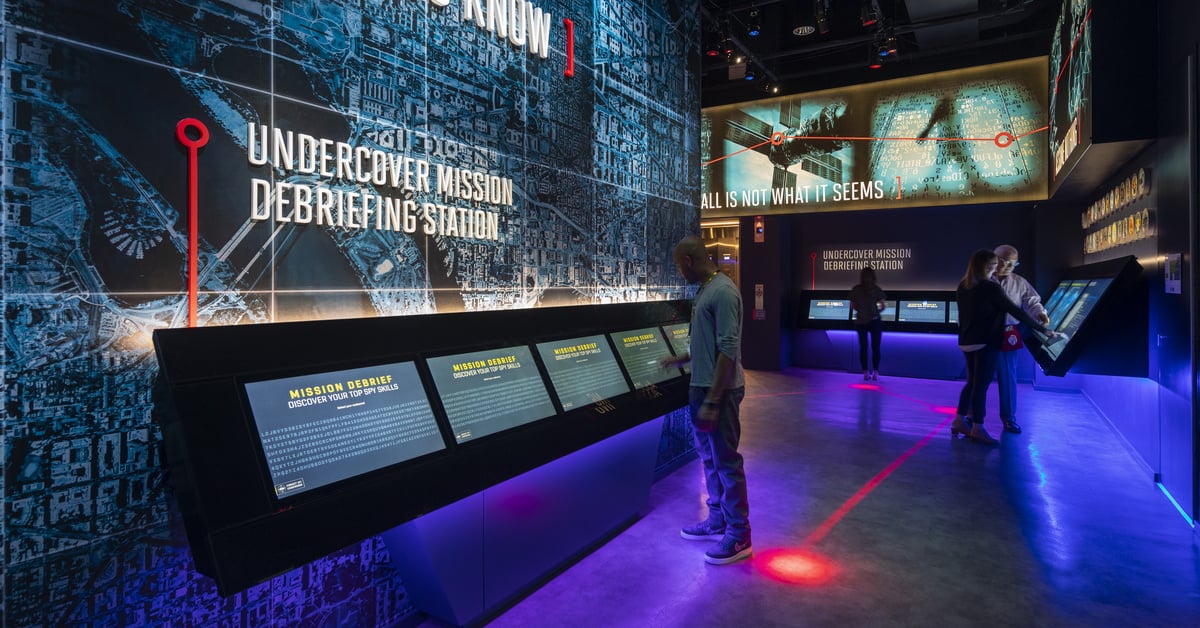
5. Sensors and Data Are Powering Smarter Experiences

4
Another emerging trend is the integration of sensors and real-time data into immersive installations.
Experiences are increasingly responding to:
- movement
- presence
- sound
- environmental conditions
This creates environments that feel alive and responsive, turning passive displays into interactive systems.
The Future of Immersive Experiences
What’s becoming clear is that immersive technology is no longer just about visual spectacle.
The most successful experiences combine:
- storytelling
- interaction
- technology
- design
to create moments people remember.
As tools become more accessible and hardware continues to improve, immersive experiences will likely expand across even more industries over the next few years.
The most interesting projects will be the ones that use technology not just to impress people — but to help them understand, explore, and connect with ideas in new ways.
If you want to see more content like this, be sure to subscribe to my Newsletter at https://diegosmurillo.com/newsletter/ for more.